Big numbers out of the box
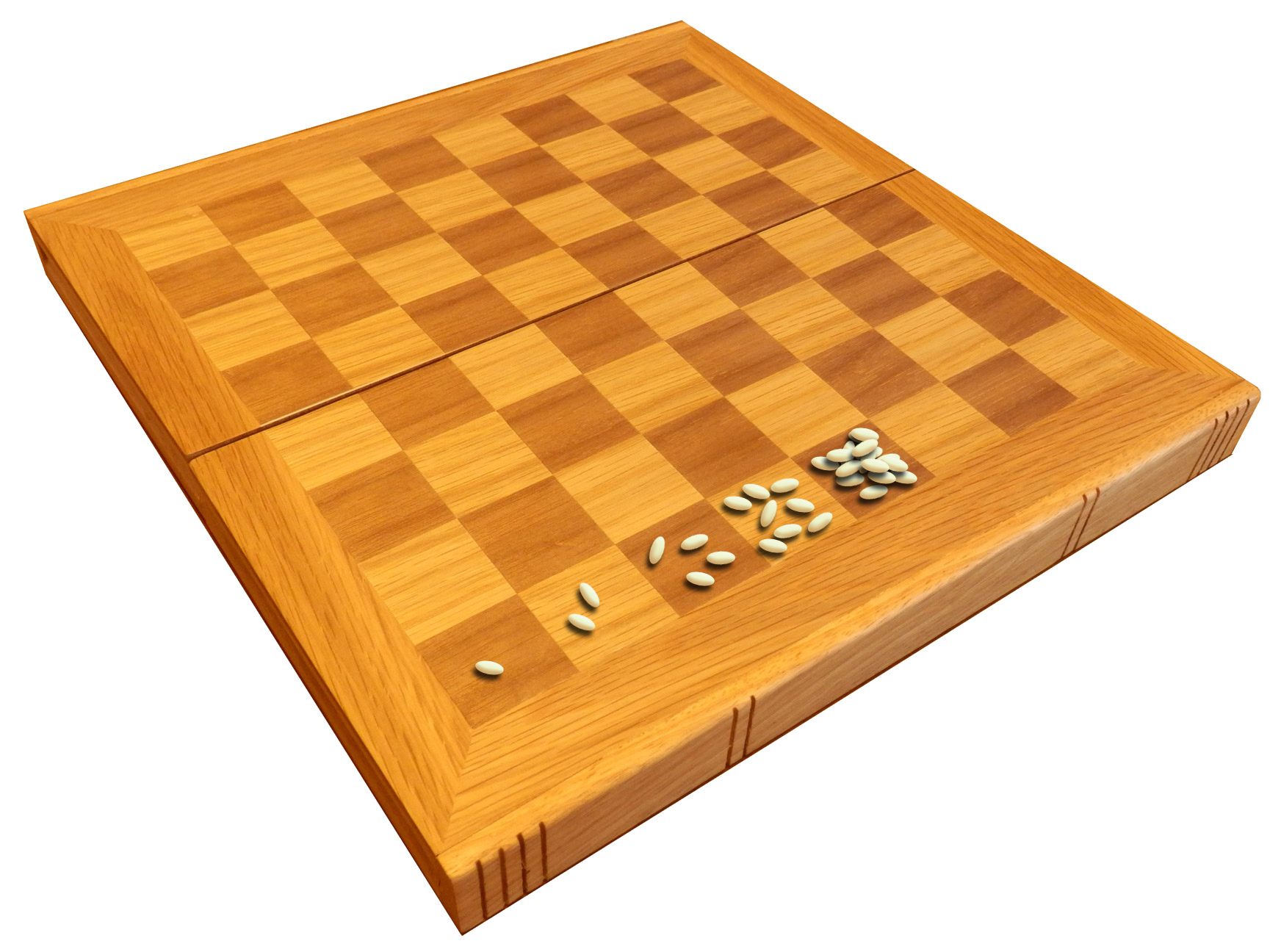
Image: McGeddon, CC BY-SA 4.0

total = 0
for power in range(64):
    total += 2 ** power

print(total)
Big numbers out of the box
import math

print(math.factorial(1000))Comprehensions
users = [
    User(id=1, name="Andrey Gein"),
    User(id=2, name="Ada Lovelace"),
    User(id=3, name="Guido van Rossum"),
]

names_by_id = {user.id: user.name for user in users}
Comprehensions
scores = {
    "Alice": 82,
    "Bob": 47,
    "Charlie": 91,
    "Diana": 58,
}

passed = {
    name: score
    for name, score in scores.items()
    if score >= 80
}

print(passed)
f-strings
Introduced in Python 3.6, 25 years after Python first appeared
Heavily improved in Python 3.12, three years ago
completed = 73
total = 120

# Before Python 3.6
print("Completed: {} out of {}. Progress: {:.1%}".format(completed, total, completed / total))

# Since Python 3.6
print(f"Completed: {completed} out of {total}. Progress: {completed / total:.1%}")
for + else
It means the loop finished without a break
for meeting in meetings:
    if meeting.overlaps(new_meeting):
        print(f"Conflict with {meeting.title}")
        break
else:
    meetings.append(new_meeting)
    print("Meeting scheduled")
Iris



Three similar species of Iris are distinguished by the length and width of their sepals and petals. Ronald Fisher described them in his 1936 paper
Machine learning with irises
sklearn, also known as scikit-learn, is a Python library with machine learning algorithms
from sklearn import datasets, ensemble

X, y = datasets.load_iris(return_X_y=True)

model = ensemble.RandomForestClassifier()
model.fit(X, y)

print(model.predict([[5.1, 3.5, 1.4, 0.2]]))
Analyze data
import pandas as pd
import matplotlib.pyplot as plt

data = pd.read_csv("temperature.csv")

data.plot(x="date", y="temperature")
plt.show()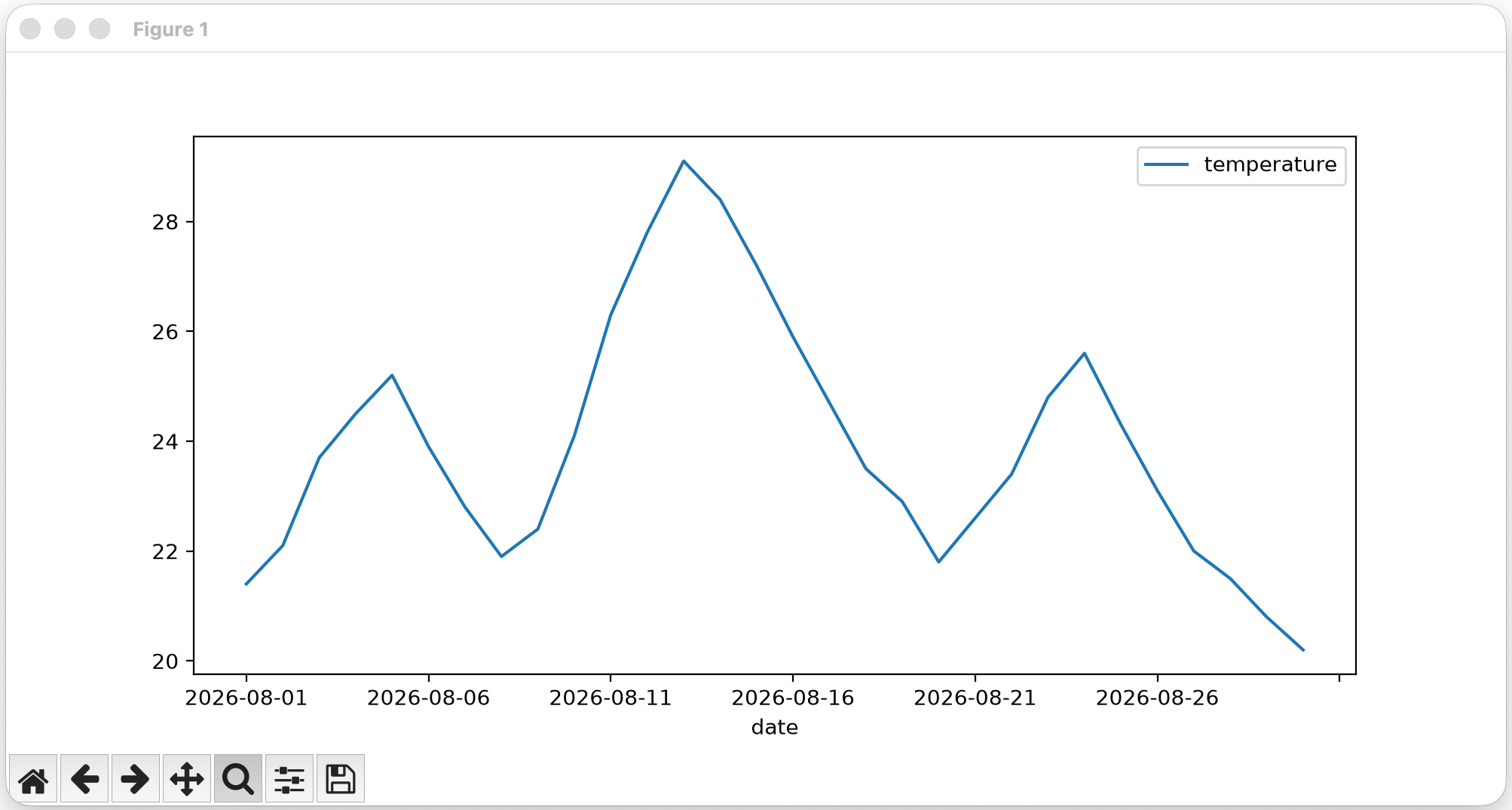
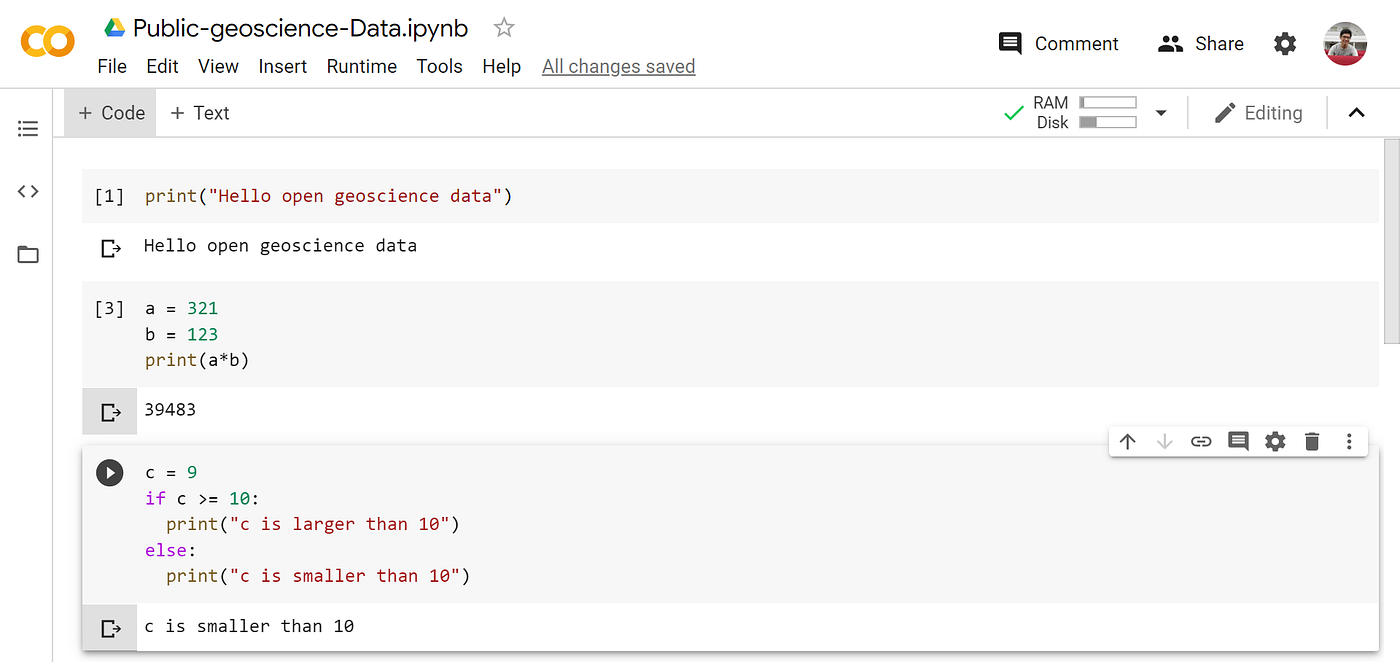
Ways to run notebooks
- Locally
pip install jupyterlab - PyCharm
- VS Code
- Google Colab
- cocalc.ai
- nteract
PEP 8 — Style Guide for Python Code
- It standardises the conventions that make Python code familiar and easy to read
- Names:
function_name,ClassName,CONSTANT_NAME - Indentation: four spaces per indentation level, not tabs
- Whitespace:
total = price * quantity, nottotal=price*quantity - Layout: imports at the top and blank lines between top-level definitions
- … and much more, check it out
Cool Python implementations
- CPython — standard Python implementation written in C
- PyPy — Python implementation written in Python
- IronPython and Jython — .NET and Java implementations
- … and many more